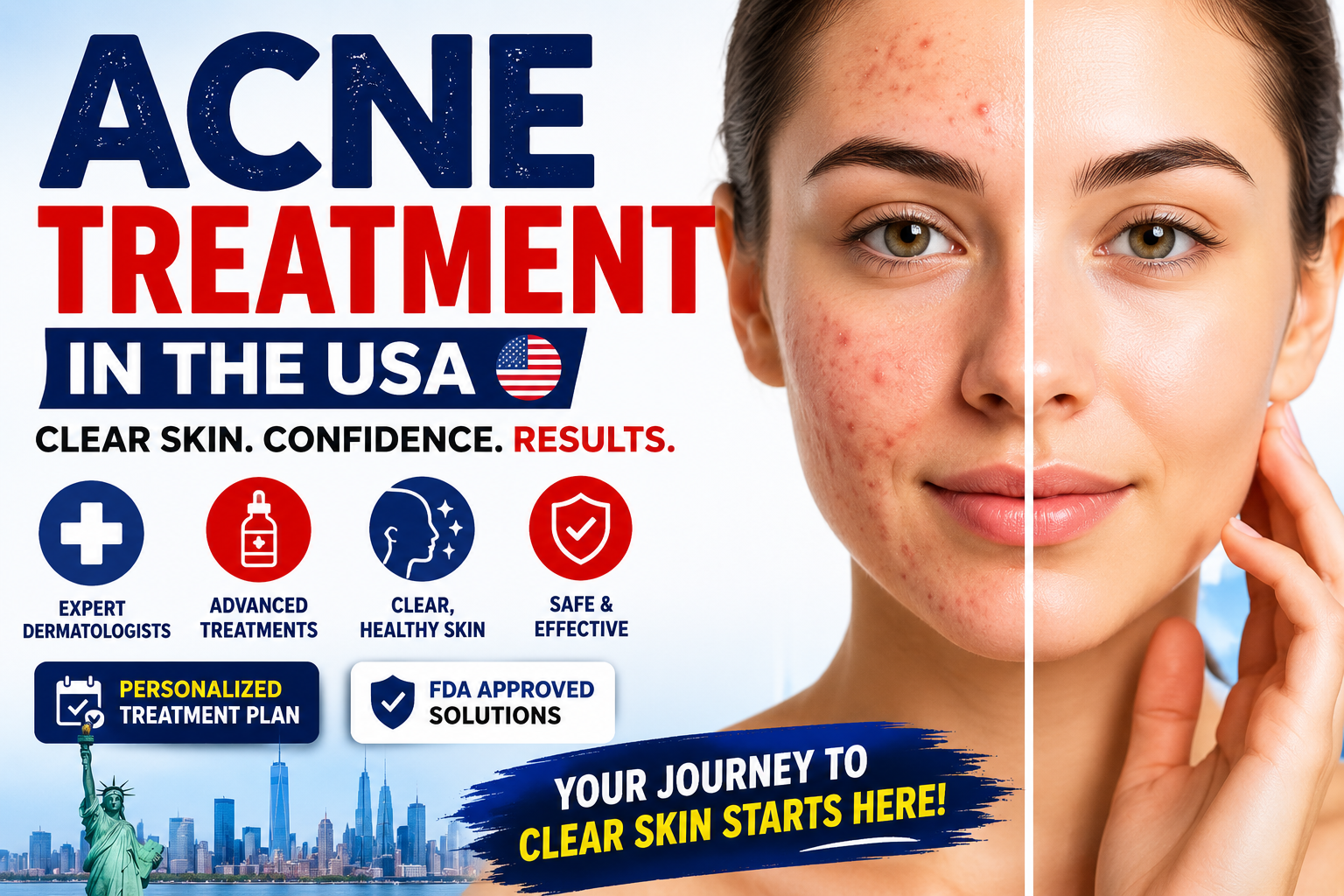
Acne Treatment in the USA: Effective Solutions for Clear and Healthy Skin
Meta Title: Best Acne Treatment Options in the USA: Causes, Prevention & Expert Solutions
Meta Description: Discover the most effective acne treatments available in the USA. Learn about acne causes, prevention strategies, over-the-counter remedies, prescription treatments, and professional dermatology options.
Acne Treatment in the USA: A Complete Guide to Clear and Healthy Skin
Acne is one of the most common skin conditions affecting millions of Americans each year. While acne is often associated with teenagers, it can affect people of all ages, including adults. From occasional breakouts to severe cystic acne, finding the right treatment can significantly improve both skin health and self-confidence.
In this comprehensive guide, we’ll explore the best acne treatment options available in the United States, including over-the-counter products, prescription medications, professional procedures, and preventive skincare strategies.
What Is Acne?
Acne is a skin condition that occurs when hair follicles become clogged with oil (sebum), dead skin cells, and bacteria. This blockage leads to various types of blemishes, including:
- Whiteheads
- Blackheads
- Papules
- Pustules
- Nodules
- Cystic acne
Acne commonly appears on the face, chest, shoulders, neck, and back.
Common Causes of Acne
Understanding the causes of acne is essential for effective treatment. Several factors can contribute to acne development, including:
Hormonal Changes
Hormonal fluctuations during puberty, pregnancy, menstruation, or stress can increase oil production and trigger acne breakouts.
Excess Oil Production
Overactive sebaceous glands produce excess oil, which can clog pores and contribute to inflammation.
Bacteria
The bacteria Cutibacterium acnes can multiply within clogged pores, leading to redness and swelling.
Genetics
Family history often plays a significant role in determining acne severity and susceptibility.
Lifestyle Factors
Certain lifestyle habits may worsen acne, including:
- Poor diet choices
- Chronic stress
- Inadequate sleep
- Smoking
- Improper skincare routines
Best Over-the-Counter Acne Treatments in the USA
Many mild to moderate acne cases can be successfully treated using non-prescription products available in pharmacies throughout the United States.
1. Benzoyl Peroxide
Benzoyl peroxide is one of the most effective ingredients for treating acne. It works by:
- Killing acne-causing bacteria
- Reducing inflammation
- Clearing clogged pores
Common concentrations range from 2.5% to 10%.
2. Salicylic Acid
Salicylic acid helps exfoliate the skin and remove dead skin cells that block pores.
Benefits include:
- Reduced blackheads and whiteheads
- Improved skin texture
- Prevention of future breakouts
3. Adapalene Gel
Adapalene is an FDA-approved topical retinoid available over the counter in the United States.
It helps by:
- Accelerating cell turnover
- Preventing clogged pores
- Reducing inflammation
- Improving acne scars over time
4. Sulfur-Based Treatments
Sulfur products help absorb excess oil and reduce acne-causing bacteria while minimizing inflammation.
Prescription Acne Treatments Available in the USA
For moderate to severe acne, dermatologists may recommend prescription treatments.
Topical Prescription Medications
Common prescription options include:
- Tretinoin
- Clindamycin
- Dapsone gel
- Azelaic acid
- Combination topical therapies
These medications target multiple causes of acne simultaneously.
Oral Antibiotics
Dermatologists may prescribe oral antibiotics to reduce bacterial growth and inflammation, including:
- Doxycycline
- Minocycline
- Sarecycline
These treatments are generally used for short periods to minimize antibiotic resistance.
Hormonal Treatments
For women experiencing hormonal acne, physicians may recommend:
- Birth control pills
- Anti-androgen medications such as spironolactone
Hormonal therapies can effectively control recurring acne breakouts.
Isotretinoin (Accutane)
Isotretinoin is considered one of the most effective treatments for severe cystic acne.
Benefits include:
- Long-term acne remission
- Reduced oil production
- Prevention of permanent acne scarring
Because of potential side effects, isotretinoin treatment requires careful medical supervision.
Professional Acne Treatments in the USA
Dermatology clinics across the United States offer advanced acne treatment procedures.
Chemical Peels
Chemical peels help remove damaged skin cells and improve acne symptoms by:
- Unclogging pores
- Reducing inflammation
- Improving skin texture
- Fading acne scars
Laser Therapy
Laser treatments can target acne-causing bacteria and reduce inflammation while improving skin appearance.
Popular options include:
- Blue light therapy
- Pulsed dye laser therapy
- Fractional laser treatments
Microneedling
Microneedling is often recommended for acne scar treatment and skin rejuvenation.
Benefits include:
- Increased collagen production
- Reduced acne scarring
- Improved skin texture
- Enhanced skin healing
Cortisone Injections
For painful cystic acne, dermatologists may administer cortisone injections to rapidly reduce inflammation and swelling.
Natural Remedies That May Help Acne
While natural treatments may not replace medical care, some individuals experience improvement using supportive remedies such as:
- Tea tree oil
- Aloe vera
- Green tea extract
- Zinc supplements
- Omega-3 fatty acids
Always consult a healthcare professional before beginning supplements or alternative therapies.
Daily Skincare Routine for Acne-Prone Skin
A consistent skincare routine is essential for managing acne.
Morning Routine:
- Gentle cleanser
- Acne treatment serum
- Oil-free moisturizer
- Broad-spectrum sunscreen (SPF 30 or higher)
Evening Routine:
- Gentle cleanser
- Prescription or OTC acne treatment
- Lightweight moisturizer
Avoid excessive washing, harsh scrubs, and picking at pimples, as these behaviors can worsen acne and increase scarring.
Foods That May Help Improve Acne
Emerging research suggests that certain dietary choices may influence acne severity.
Consider incorporating:
- Vegetables
- Fruits
- Lean proteins
- Whole grains
- Fatty fish
- Nuts and seeds
Some individuals may benefit from reducing:
- Sugary foods
- Highly processed carbohydrates
- Excess dairy products
How to Prevent Acne Breakouts
Preventive strategies include:
- Washing your face twice daily
- Using non-comedogenic skincare products
- Removing makeup before sleeping
- Managing stress levels
- Staying hydrated
- Avoiding touching your face
- Cleaning mobile phones regularly
- Changing pillowcases frequently
Consistency is essential for long-term acne management.
When to See a Dermatologist
You should consult a dermatologist if:
- Over-the-counter treatments are ineffective
- Acne causes pain or scarring
- Breakouts affect your mental health
- You have severe cystic acne
- Acne persists into adulthood
Early treatment can prevent permanent skin damage and improve treatment outcomes.
Final Thoughts
Acne is a treatable medical condition, and effective solutions are widely available throughout the United States. Whether you choose over-the-counter products, prescription medications, or professional dermatological procedures, the key to successful treatment is consistency and personalized care.
If you’re struggling with persistent acne, consulting a qualified dermatologist can help you develop a customized treatment plan that addresses your specific skin concerns and helps you achieve clearer, healthier skin.